Reliable Synthetic Turf in Langley
The Advantages of Artificial Grass Installation: An Easy-Care Solution for Your Outdoor Space
Artificial lawn installation provides a variety of perks that appeal to homeowners in search of a low-maintenance yard alternative. It eliminates routine tasks such as mowing and watering, offering a practical alternative to traditional landscaping. Furthermore, its eco-friendly attributes contribute to water conservation and reduced chemical usage. As homeowners consider this option, concerns regarding safety and lasting cost savings tend to emerge, leading to a more thorough assessment of its overall influence on exterior living spaces.
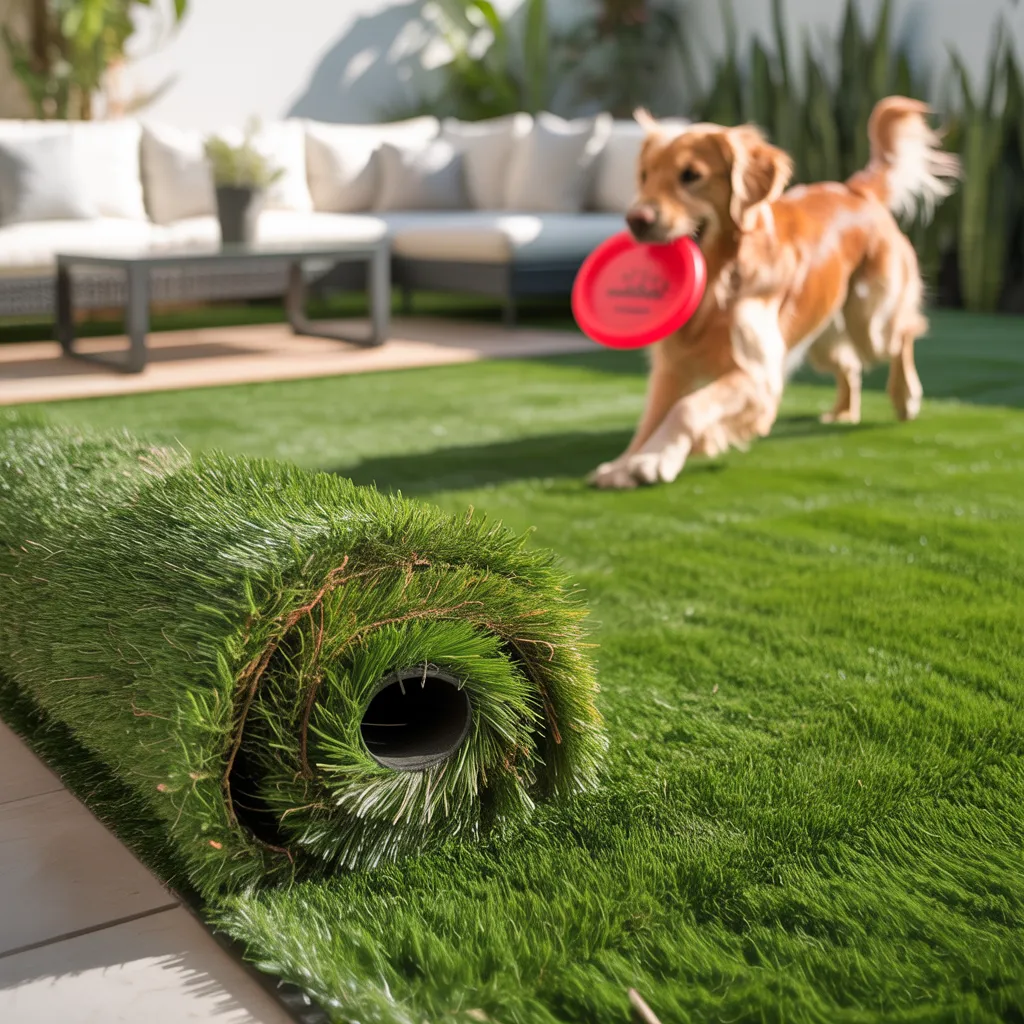
The Time-Saving Edge of Artificial Grass
As homeowners explore the advantages of synthetic turf, one of the standout benefits is the substantial time savings it delivers. Natural grass lawns demand consistent care, including watering, mowing, and fertilizing, which can eat up significant time each month. In contrast, artificial grass removes these responsibilities, giving homeowners the freedom to reclaim their time.
With no need for mowing, homeowners can enjoy a reliably polished look with minimal effort required. Additionally, the removal of irrigation requirements means that demanding timetables will remain unaffected by the need to maintain hydration levels in the lawn.
In addition, artificial turf is commonly designed to prevent weed growth, limiting the time spent on weeding and lawn care. This minimal-upkeep solution resonates with people and families wanting to transform their outdoor spaces without the time-consuming work. In the end, the labor-saving benefit of artificial turf greatly supports its increasing appeal among homeowners prioritizing ease of maintenance.
Eco-Conscious Benefits of Artificial Grass
While many homeowners seek aesthetic appeal, the green benefits of artificial grass render it an increasingly appealing solution. One significant advantage is water conservation; artificial grass removes the necessity for frequent watering, which can save thousands of gallons annually. This reduction in water usage is particularly vital in areas experiencing drought conditions.
Furthermore, synthetic turf minimizes the dependence on pesticides and chemical fertilizers, promoting a cleaner environment. Compared to natural grass, it requires no frequent mowing, therefore lowering greenhouse gas emissions linked to fuel-powered lawn mowers and equipment.
In addition, the read the full story application of fake grass can play a role in reduced soil erosion, as it offers a stable surface that handles heavy foot traffic and harsh weather conditions. In summary, the environmentally friendly characteristics of fake grass not only support individual homeowners but also contribute positively to wider efforts toward environmental sustainability.
Is Fake Grass Safe for My Pets?
What is the safety level of artificial grass for pets? Artificial grass is widely considered a pet-safe choice for homeowners. It is made from non-toxic materials, ensuring that pets are safe from harmful chemicals often found in traditional grass treatments. As opposed to natural grass, artificial turf does not provide a breeding ground for pests such as fleas or ticks, creating a healthier environment for pets to roam and play.
Furthermore, artificial turf allows for efficient drainage, minimizing the chance of muddy paws and the occurrence of foul smells. Its robust nature allows it to handle rough play and digging, making it a practical choice for energetic pets. Moreover, many high-quality artificial grass products come with UV shielding, avoiding discoloration and providing a safe environment for animals to use all year long.
That said, pet owners ought to regularly clean the turf surface to preserve hygiene and prevent the buildup of bacteria. In general, artificial grass offers a reliable and safe solution for pet owners in search of alternatives that require minimal upkeep.
Long-Term Savings With Artificial Grass
Synthetic turf not only improves the safety and enjoyment of pets but also provides considerable long-term savings for homeowners. By eliminating the need for regular watering, mowing, and fertilization, artificial grass drastically reduces ongoing maintenance costs. Property owners can anticipate reductions in water bills, particularly in regions subject to drought restrictions, as artificial lawns demand very little irrigation. Moreover, the durability of artificial grass means it withstands heavy foot traffic and extreme weather conditions without the need for frequent replacement. This lasting quality results in reduced expenses over time when compared to natural grass, which may need re-sodding or significant repairs. Additionally, reduced maintenance time allows homeowners to invest their efforts elsewhere, further contributing to cost-effectiveness. Ultimately, the initial outlay for artificial turf can produce considerable savings, making it a sound financial option for those aiming to upgrade their outdoor spaces while keeping long-term costs to a minimum.
Enhancing Your Outdoor Space With Artificial Grass
Enhancing an outdoor area is made simple when homeowners choose artificial grass, as it supplies a lush, green landscape year-round without the stress of standard turf upkeep. This versatile option elevates the overall appearance, creating welcoming spaces for rest, fun, or social gatherings. The vibrant colors and realistic textures available can suit a wide range of aesthetic preferences, from contemporary to traditional, seamlessly blending into existing garden features.
Furthermore, artificial grass can be customized to particular requirements, making it ideal for a wide range of uses such as poolside areas, patios, or playgrounds. Its ability to withstand heavy foot traffic ensures that exterior spaces remain pristine and usable throughout every season. Furthermore, artificial grass aids in environmental sustainability by minimizing water usage and eliminating the need for harmful pesticides. All in all, this modern solution not only elevates the visual appeal of any exterior setting but also supports a functional and enjoyable environment for property owners and their guests.
The Ease of Low Maintenance With Artificial Grass
While many homeowners seek a vibrant lawn without the demanding upkeep, choosing artificial grass provides a perfect answer. This cutting-edge landscaping alternative needs significantly less care than conventional grass. Property owners no longer have to dedicate hours to mowing, watering, or treating their yards. Instead, a simple rinse with water is typically sufficient to keep the surface clean and looking fresh.
Synthetic turf repels pests and diseases, removing the necessity for chemical pesticides and treatments that can harm the environment. In addition, it withstands various weather conditions, maintaining its visual appeal year-round without losing color or turning brown. With no mud or grass clippings present further ensures fewer messes being brought indoors.
With artificial grass, residents can enjoy a perpetually vibrant and welcoming landscape without the constant labor and time commitment required by natural grass. This low-maintenance option provides increased relaxation and reduced stress over lawn care.
What You Can Expect During Artificial Grass Installation
Homeowners who choose artificial grass can anticipate a straightforward installation process that enhances their outdoor space. Generally, the process starts with an evaluation of the area to identify the correct type and amount of grass needed. Experienced installers will prepare the existing lawn, removing debris and vegetation to create a level base.
After that, they will level the ground and add a layer of gravel for water drainage, ensuring maximum effectiveness. A weed prevention layer may be placed to keep weeds from growing back. When the foundation is ready, the artificial grass is rolled out, cut to fit the designated space, and anchored in position.
To complete the process, materials such as sand or rubber infill are applied to keep the grass blades upright while offering cushioning. The entire installation usually is completed within a day or two, giving homeowners the ability to promptly enjoy their new, low-maintenance lawn.
Frequently Asked Questions
How Long Does Artificial Grass Last Before Needing Replacement?
Synthetic turf generally lasts anywhere from 15 to 25 years, depending on factors like quality, usage, and maintenance. When properly maintained, it can maintain its appearance and functionality for the duration of its life, limiting the frequency of replacement.
Is It Possible to Install Artificial Grass Over Natural Grass?
Yes, artificial grass can be installed on top of natural grass, although adequate preparation is crucial. This involves guaranteeing a smooth surface, clearing away debris, and tackling drainage problems to prevent future complications and maintain long-term performance.
What Varieties of Artificial Grass Can You Choose From?
Several varieties of artificial grass exist, including polyethylene, nylon, and polypropylene. Each type differs in durability, texture, and application, accommodating residential, commercial, and sports-related environments, providing targeted solutions designed around individual needs.
Does Artificial Grass Resist Fading Caused by Sunlight?
Artificial turf is built to be resistant to fading from sunlight, incorporating UV stabilizers that help maintain its color integrity over time. This resilience guarantees a reliable appearance, rendering it a popular choice for exterior areas.
How Does Artificial Grass Handle Extreme Weather Conditions?
Artificial turf performs exceptionally well in extreme weather conditions, preserving its structure and appearance. It is designed to withstand heat, heavy rain, and freezing temperatures, guaranteeing durability and a consistent appearance regardless of environmental challenges.